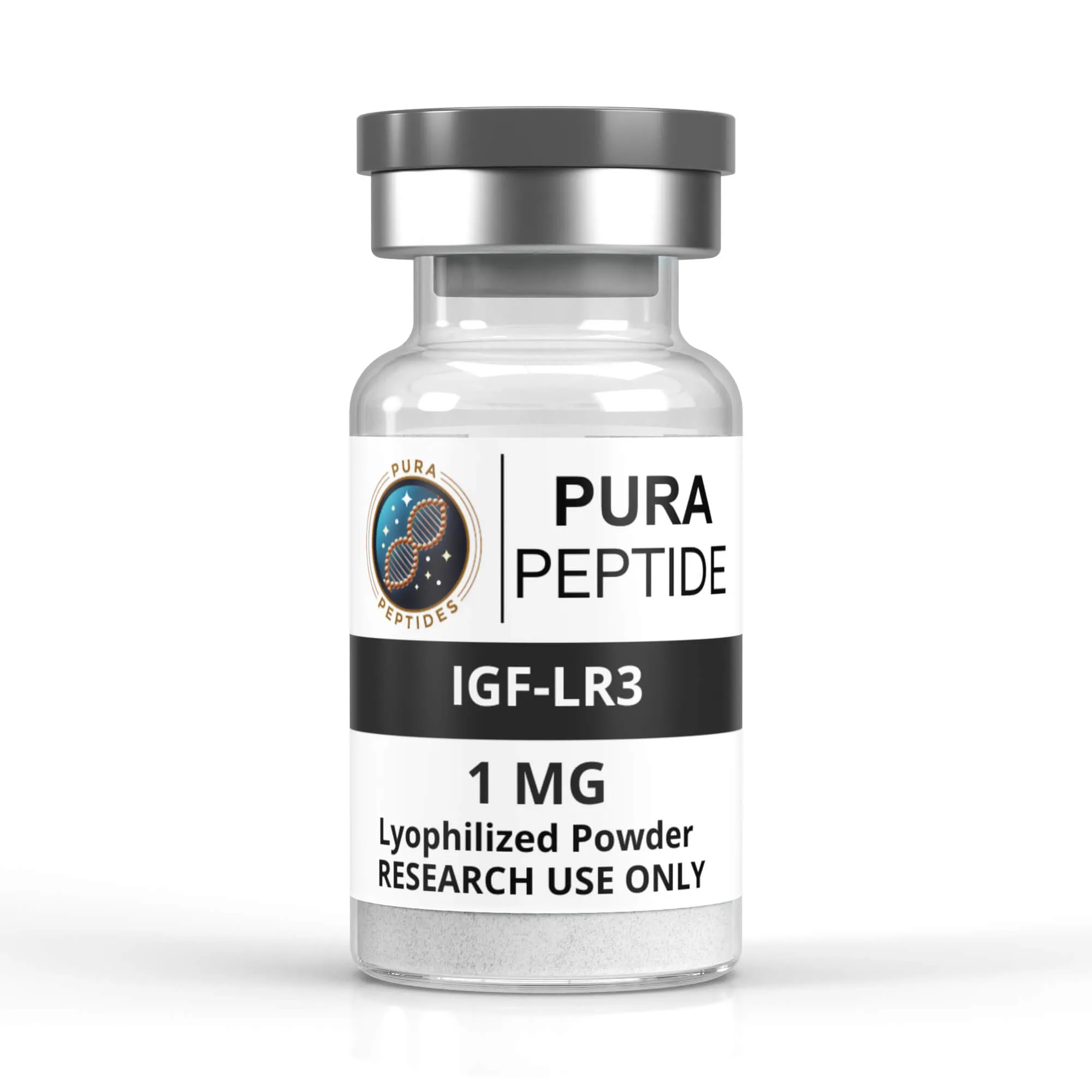
When researchers compare IGF-LR3 suppliers, the decision should involve more than checking a product name and price. Research materials need clear identification, reliable documentation, stated purity, and appropriate handling information. A supplier’s website can provide useful clues about how seriously it approaches quality and transparency. Researchers may also need to consider testing records, batch information, shipping practices, and research-use statements before ordering. Taking a little time to review these details can make the purchasing process more organized and help laboratories choose materials that fit their research requirements.
Start With Accurate Product Information
Clear product information is one of the first things researchers should look for when reviewing a peptide supplier. A product page should identify the material without creating confusion about its composition or intended use. Information about quantity, purity, storage, and testing can help researchers understand what is being offered. This is especially useful when several products have similar names or abbreviations. Rather than relying on a product title alone, researchers should review the complete description and any technical documents provided by the supplier.
Check Testing and Documentation
Testing information can provide useful context when evaluating research materials. Researchers may want to know whether a supplier provides a Certificate of Analysis for its products and whether testing is performed by an independent laboratory. Batch-specific documentation can be helpful because it connects quality information to a particular product batch. Good documentation also supports laboratory record-keeping. When researchers maintain records of product names, batch details, supplier information, and testing results, they can more easily review the materials associated with a research project later.
Understand Product Names and Blends
Research catalogs can include individual peptides, combinations, and blends, so exact product identification matters. Someone searching for a KLOW peptide should carefully review the product description instead of assuming that the name alone explains the complete composition. Similar terminology can sometimes be used differently by different suppliers. Researchers should therefore check the stated ingredients, product specifications, and available documentation before adding a material to their laboratory inventory. This simple step can prevent confusion and make it easier to maintain accurate records throughout a research project.
Compare Purity Claims
Purity is another important consideration when evaluating research peptide suppliers. A supplier may display a high purity percentage, but researchers should consider how that claim is supported. Testing documentation can provide more useful information than a number presented without context. Researchers can compare available Certificates of Analysis, analytical details, and batch information when reviewing different suppliers. It is also worth remembering that purity is only one part of supplier evaluation. Product identity, documentation, packaging, storage information, and consistency can all contribute to a more complete assessment.
Review Storage Information
Research peptides may require specific storage conditions, making clear handling information important before an order is placed. Researchers should review supplier recommendations and make sure their laboratory has suitable procedures for receiving and storing the material. Proper inventory management can also help researchers track when products arrive and which batches are being used. A supplier that provides clear storage information demonstrates attention to practical research requirements. Laboratories should still follow their own approved protocols, safety procedures, and institutional requirements when handling research materials.
Consider Packaging and Shipping
Shipping is sometimes overlooked when researchers compare suppliers, but it can affect the overall purchasing experience. Information about packaging, processing times, delivery options, and order tracking can help laboratories plan ahead. Researchers may also want to understand how products are packaged for transit and whether the supplier provides instructions for handling materials after delivery. Reliable communication can be useful if questions arise during shipping. A professional supplier should provide clear purchasing information so customers understand what to expect before placing an order.
Look for Research Focus
A supplier serving laboratory customers should clearly distinguish research materials from approved medicines or consumer products. Research-use-only statements help establish the intended context of the products. Researchers should be cautious about websites that make unsupported claims about treating conditions or improving health. Such statements can make it harder to understand the actual research purpose of a product. A research-focused supplier should instead provide factual product information, appropriate disclaimers, testing details, and documentation that allow researchers to evaluate materials within a laboratory setting.
Compare Suppliers Using Consistent Criteria
Laboratories can make supplier comparisons easier by using the same criteria for each company they review. Product identity, purity information, testing documentation, storage guidance, packaging, customer support, and ordering policies are useful areas to consider. Price can also be reviewed, but it should not automatically become the deciding factor. A lower price does not necessarily mean better value if important documentation is missing. Similarly, a higher price does not automatically guarantee better quality. Researchers should evaluate the information available and determine which supplier best fits their specific research needs.
Conclusion
Choosing a research peptide supplier requires careful evaluation rather than a quick comparison of prices and product names. Researchers should examine product identity, purity information, testing documentation, storage guidance, packaging, and research-use statements before placing an order. They should also review the exact composition of products and blends to avoid confusion between similarly named materials. A transparent supplier can make this process easier by providing clear specifications and supporting documents. By using consistent evaluation criteria and maintaining accurate purchasing records, laboratories can approach research peptide sourcing in a more organized and responsible way.