The gym supplement market in Australia has never been more crowded. More brands, more products, and more marketing than most people have time to evaluate properly. That makes knowing what to look for more valuable than ever.
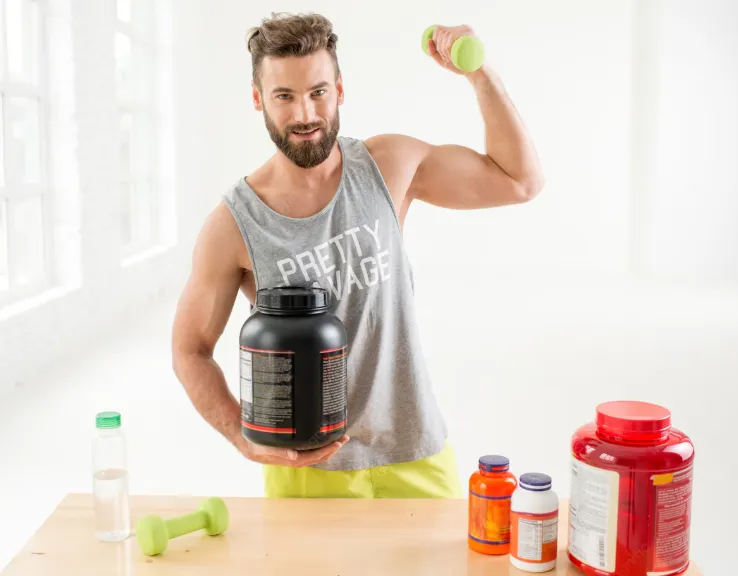
This piece covers what separates quality gym supplements in Australia from the noise, with a specific focus on protein powder, the supplement most people start with and rely on longest. Finding the best protein powder in Australia comes down to a small number of factors that cut through most of the confusion.
Why the Australian Gym Supplement Market Is Hard to Navigate
Sports supplements in Australia are regulated primarily as food products rather than therapeutic goods. This means they don’t require the same pre-market approval or clinical evidence as pharmaceuticals before they reach shelves. The practical result is a market where product quality varies considerably, and price is an unreliable guide to what you’re actually getting.
Two products at similar price points can differ substantially in protein quality, dose accuracy, ingredient sourcing, and manufacturing standards. Without independent verification, the label alone gives you limited reliable information. This is why understanding what to check, and what credentials to look for, matters more in this category than in most others.
Protein Powder: Why It’s the Foundation of Most Supplement Stacks
Protein powder is the most widely used gym supplement for a straightforward reason: adequate daily protein intake is the single most important nutritional variable for muscle building, recovery, and body composition. Everything else in a supplement stack sits on top of this foundation.
Most people training consistently to build muscle need between 1.6 and 2.2g of protein per kilogram of bodyweight daily. For a 75kg person, that’s 120 to 165g of protein across all meals. Hitting that target through whole food alone is achievable but requires planning and consistency that many people can’t sustain every day. A quality protein powder covers the gap efficiently.
The main types of protein powder
Different protein sources suit different situations. Understanding the main categories makes it easier to choose the right product rather than defaulting to whatever is most heavily promoted.
Whey protein concentrate (WPC) is the least processed form of whey, delivering 70 to 80% protein by weight with small amounts of fat and carbohydrate retained. It suits everyday protein intake, muscle-building phases, and people who digest dairy well. It’s typically the most cost-effective whey option.
Whey protein isolate (WPI) undergoes additional filtration to reach 90% or above protein by weight, with most of the fat and lactose removed. It suits calorie-controlled phases, people with lactose sensitivity, and post-workout use where fast absorption matters.
Plant protein blends combine sources like pea and rice protein to produce a more complete amino acid profile than single-source plant formulas. They suit vegans, people with dairy intolerance, and those who prefer a plant-based product. A well-formulated blend supports muscle protein synthesis effectively.
Casein protein digests slowly, releasing amino acids steadily over several hours. It suits bedtime use and between-meal protein top-ups where sustained release is more valuable than speed.
What Actually Separates a Quality Protein Powder
These are the markers that reliably indicate a better product, regardless of which protein type you’re looking at.
Protein per serve in actual grams: The figure that matters is grams of protein delivered per serve, not the percentage or the serve size. A 40g scoop delivering 24g of protein is not equivalent to a 30g scoop delivering 27g. Check the nutrition panel, not the front of the pack.
No amino spiking: Some lower-quality products inflate their protein figures by adding cheaper amino acids: glycine, taurine, creatine, which register on nitrogen-based testing but don’t deliver the muscle-building benefit of the primary protein source. The protein source should be the lead ingredient on the label.
Full ingredient disclosure: Every ingredient and its dose should be listed individually. Proprietary blends that group multiple ingredients under a total weight make it impossible to verify whether anything is present at a useful amount.
Independent batch testing: Third-party laboratory testing by an accredited body confirms that what’s on the label matches what’s in the product at the stated dose. This is the most reliable quality verification available in a category without mandatory pre-market approval.
Manufacturing credentials: Facilities certified to ISO and HACCP standards operate under strict hygiene and production controls. These certifications apply across the entire production environment and are a meaningful indicator of consistency.
Verified reviews at volume: A large body of verified customer reviews across thousands of purchases provides a more reliable signal than curated testimonials or sponsored endorsements. Look for specificity and consistency in the feedback rather than just the star rating.
Building a Supplement Stack Around Protein
Protein powder is the starting point. Once that’s in place, the supplements worth adding next are those with the strongest evidence base and the clearest application to your specific goals.
Creatine monohydrate sits alongside protein at the top of the evidence hierarchy. Three to five grams daily supports strength, power output, and training volume, consistently, across hundreds of peer-reviewed trials. It’s inexpensive, effective, and requires no complicated protocol.
Pre workout supplements are the next logical addition for people training at high intensity. They support energy, focus, and physical output during sessions. The quality considerations are similar to protein: look for disclosed ingredient doses, avoid proprietary blends, and match the stimulant level to your tolerance.
Amino acids, BCAAs or EAAs, suit people training at high frequency or in a fasted state, where intra-workout amino acid availability supports muscle retention and recovery.
Beyond these, additions become more goal-specific. Fat burners for structured weight loss phases, mass gainers for people genuinely struggling to eat in a calorie surplus, collagen for connective tissue and joint support, and recovery supplements like ZMA for sleep and mineral replenishment all serve defined purposes within a well-structured programme.
FAQs
How do I know if a protein powder is good quality?
Check the protein grams per serve on the nutrition panel, confirm full ingredient disclosure with no proprietary blends, look for independent batch testing, and verify the manufacturing credentials. Reviews at volume from verified purchasers add further confidence. Price alone tells you nothing reliable about quality.
Is Australian protein powder better than imported?
Not automatically. What matters is manufacturing standards, ingredient quality, and independent testing, not geography. Facilities certified to ISO and HACCP standards meet strict production controls regardless of location. The advantage of locally manufactured products is easier verification of those credentials.
How many protein shakes should I have per day?
One to two shakes per day suits most people. Protein supplements are designed to complement whole food intake, not replace it. If you’re consistently hitting your daily protein target through food alone, additional shakes add nothing meaningful.
Do gym supplements have side effects?
Most evidence-backed supplements used at recommended doses are well-tolerated by healthy adults. Side effects are most commonly associated with excessive stimulant doses, poor-quality products with undisclosed ingredients, or individual sensitivities. Choosing independently tested products from certified facilities reduces risk significantly.
When is the best time to take protein powder?
Post-workout is the most commonly cited timing, but total daily protein intake matters more than timing for most people. Take it whenever it helps you hit your daily target most consistently, whether that’s after training, between meals, or before bed.