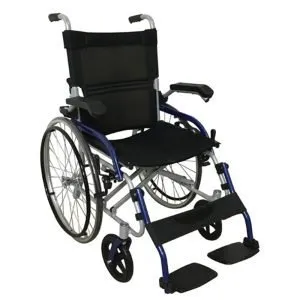
Buying wheelchairs for a facility or resale business involves more variables than most buyers account for when they first start comparing vendor catalogs. Prices vary considerably across suppliers, frame quality differs more than glossy photos suggest, and some vendors cut corners on components that only reveal problems after months of regular daily use. Whether you’re stocking a hospital procurement department or a medical supply retail operation, understanding what separates a genuine Medical Aluminium Wheelchair Supplier in Argentina from a mediocre one saves both budget and operational headaches. This guide covers the practical factors worth checking.
Frame Weight and Structural Balance
Lightweight construction matters enormously for daily usability, since a heavy frame becomes exhausting for caregivers and difficult for patients attempting independent movement. Aluminum keeps overall weight manageable without sacrificing structural strength needed for safe daily transport and repositioning. Ask suppliers for exact weight specifications per model, not vague ranges buried somewhere in fine print. A frame that’s noticeably heavier than competitors sounds minor initially, but staff pushing it around all day notice the difference fast, consistently, every shift.
Wheel and Caster Component Quality
Wheels and casters absorb more daily punishment than nearly any other component on a standard wheelchair frame, honestly speaking from a maintenance perspective. Cheap casters wobble within weeks of regular use, and worn brake systems eventually turn into genuine safety hazards nobody notices until an incident occurs. A dependable Commode Wheelchair Supplier in Uruguay faces similar wheel durability questions across their product lines, and that same standard should apply here too, request material specs before finalizing any bulk order.
Warranty Terms Signal Confidence
Warranty length tells you quite a lot about how confident a manufacturer actually feels regarding their own product durability and build quality overall. A supplier offering only a few months coverage is signaling something, whether that’s intentional caution or simply an oversight worth questioning further. Look for at least one year on frames, longer coverage specifically on joints and moving components that experience the heaviest wear. Read the fine print carefully too, since some warranties exclude wear items entirely.
Regional Pricing and Import Considerations
Pricing across Argentina and neighboring countries varies based on local material costs and import taxes that shift depending on the specific route chosen for shipping. What initially looks like a bargain in one region might actually cost more once shipping fees and duties get factored in properly. Get landed cost estimates upfront always, rather than relying purely on factory pricing quoted without broader context. Buyers skipping this step often discover the real total weeks later, unexpectedly. Also account for insurance, customs clearance charges, storage fees, currency fluctuations, and possible delivery delays before finalizing the purchase decision.
Customization and Configuration Flexibility
Not every patient fits standard sizing; that’s simply the reality within healthcare procurement work, generally speaking, across most facilities. Seat width, armrest height, footplate adjustability- these details matter more for long-term comfort than many buyers initially assume when walking into negotiations. A genuine supplier should offer basic customization without charging absurd premiums for relatively small adjustments requested by clinics. Vendors treating every request as a special order requiring extended delays are worth reconsidering before signing anything.
Delivery Reliability and Logistics Support
Ordering equipment represents only half the entire process; getting it delivered reliably on schedule is the other half that frequently goes sideways unexpectedly. Ask for realistic delivery windows upfront, not the optimistic numbers salespeople quote purely to close a sale quickly during negotiations. Confirm whether the supplier manages customs paperwork independently or leaves that entire burden resting on the buyer instead. Vendors experienced with cross-border shipping across South America tend to hit fewer unexpected delays overall.
Conclusion
Choosing a wheelchair supplier involves weighing more moving parts than most buyers expect walking into their first round of vendor comparisons. From frame weight to warranty terms to regional pricing quirks affecting total cost, each factor shapes whether the partnership actually works out well over months and years of continued use. Taking time upfront to ask pointed questions, request real samples, and compare total costs across multiple vendors pays off considerably later. A little patience here tends to save both money and operational headaches once equipment enters daily rotation across a facility.